


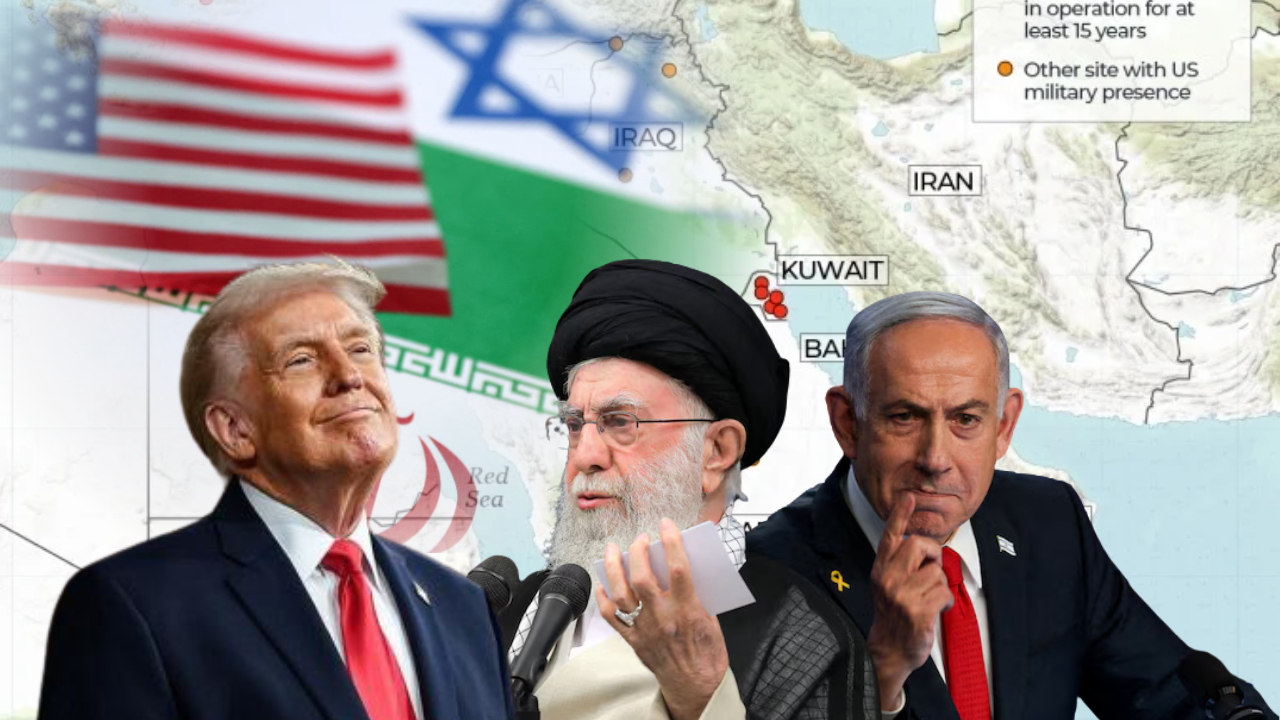
Yulius Purwadi Hermawan, Drs., M.A., Ph.D., a lecturer in International Relations at Parahyangan Catholic University (UNPAR), shared his views on the escalation of the conflict involving the United States, Israel, and Iran in several media interviews. Yulius appeared in a live broadcast on KompasTV to discuss the dynamics of the conflict and China’s position, and was also interviewed by Tribun Jabar regarding the potential impact of the conflict on Indonesia.
During the KompasTV live broadcast, Yulius stated that the escalation of conflict between the United States, Israel, and Iran reflects a strategic miscalculation by the party initiating the attack. According to him, the initial strike that killed Iran’s Supreme Leader, Ayatollah Ali Khamenei, failed to weaken Iran’s response. Instead, Iran demonstrated its military capability by launching hundreds of ballistic missiles and drones at various targets across the Middle East. He also noted that the situation has the potential to expand into a wider regional conflict, as several countries have begun preparing to safeguard their national interests.
Yulius also argued that efforts to resolve the conflict through diplomatic channels face significant obstacles. He stated that the United Nations Security Council (UNSC) has been ineffective in responding to the conflict due to differing interests among member states that hold veto power. In addition, the possibility of renewed negotiations in the near future is considered relatively small, as Iran believes the United States has not demonstrated good faith in previous diplomatic efforts.
In his interview with Tribun Jabar, Yulius suggested that the attacks carried out by the United States and Israel against Iran were part of a scenario prepared by Donald Trump. He explained that prior to the attack, mediation between the United States and Iran—facilitated by Oman—had taken place and had shown signs of progress. However, at the same time, military plans continued to move forward, ultimately leading to the attack that killed Ayatollah Ali Khamenei. According to Yulius, such actions could be considered a violation of international law, as they disregarded an ongoing mediation process.
Furthermore, Yulius assessed that the conflict could potentially expand, although it would likely remain limited to the Middle East as long as Russia and China do not become directly involved. He predicted that Iran may launch retaliatory attacks against U.S. military assets in the region, which could trigger reactions from several Arab states.
Responding to the impact of Ali Khamenei’s death on Iran’s political direction, Yulius argued that a leadership transition would not necessarily lead to significant changes in Iran’s political policies. According to him, Iran’s political mindset, leadership style, and stance toward the West are likely to persist because the country’s political system remains rooted in clerical authority. He also believes that Trump’s efforts to push for regime change by installing a more pro-U.S. leader in Iran would be difficult to achieve.
Yulius also predicted that Iran’s allies, such as Russia and China, are unlikely to become directly involved in military conflict with the United States and Israel. Their support would likely be limited to arms supplies and diplomatic efforts to push for an end to the war. This is partly because Russia remains focused on its war in Ukraine, while China tends to be cautious about direct military involvement.
Meanwhile, Kishino Bawono, S.I.P., M.Sc., also shared his views on Indonesia’s potential role in responding to the conflict. According to him, Indonesia’s opportunity to mediate the conflict between Iran and the United States remains very limited. Iran has reportedly rejected Indonesia’s offer of mediation, while the United States tends not to accept mediation from countries perceived to have limited influence in the conflict’s dynamics.
Kishino believes Indonesia would be more realistic in strengthening diplomatic cooperation with countries that have greater influence in the Middle East. In addition, Indonesia needs to prepare domestic measures to anticipate the potential impacts of the conflict, including possible increases in global energy prices and the protection of Indonesian citizens in affected areas.