


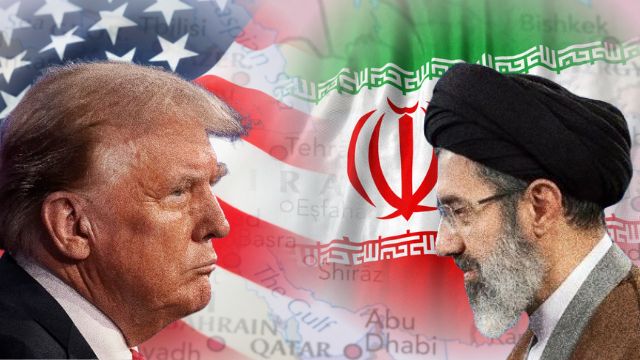
An International Relations lecturer at Parahyangan Catholic University, Yulius Purwadi Hermawan, Ph.D., shared his views during a live broadcast with KompasTV regarding the dynamics of the conflict between the United States and Iran, as well as political developments in Iran following the appointment of a new supreme leader.
Yulius assessed that the prospects for peace in the near future remain relatively limited, as both sides continue to maintain their respective positions. The attacks occurred while earlier diplomatic processes were still underway, which has further reduced Iran’s level of trust toward the United States. He also noted that the chances for negotiations remain very limited, even though world leaders have begun establishing communication. According to him, such communication remains important in opening opportunities for dialogue and preventing a broader escalation of the conflict. Yulius further observed that the role of international organizations in responding to the conflict has been limited, while the possibility of mediation by other countries largely depends on the willingness of the parties involved to return to the negotiating table.
Responding to Iran’s domestic political dynamics, Yulius argued that the selection of Mojtaba Khamenei reflects the continuation of the leadership line previously maintained by Ali Khamenei and suggests that the regime-change scenario expected by the United States has not fully materialized. Support from the Assembly of Clerics and declarations of loyalty from the Islamic Revolutionary Guard Corps indicate that the leadership transition has taken place relatively solidly. Meanwhile, Mojtaba’s firm stance toward the West is expected to mean that Iran’s policy direction will not change significantly.
Yulius also assessed that the conflict has the potential to continue for a longer period. Although the United States and Israel possess military advantages, Iran still retains the capacity to sustain the confrontation, including through its missile capabilities and preparedness for ground warfare. In addition, he warned that further escalation, including potential attacks on oil refineries, could drive up global energy prices and place additional pressure on global economic stability.
The full interview video can be accessed through the following link:
- 7 March 2026 https://youtu.be/xRpUMNPm7gc?si=SeU6i3L_TqZbBNgp
- 9 March 2026 https://youtu.be/1uEdL5KMH0M?si=w4Ow2uv710jBlN5X
- 9 March 2026 https://youtu.be/b5vvSaNel6A?si=fh0L9UVuPrXuGPMC
- 10 March 2026 https://youtu.be/LG3Zs1zhkv8?si=ulGRZ0CJRpEeFRWo
- 11 March 2026 https://www.youtube.com/live/-fLImL5_WfI?si=LMgjU5oDychwy-WC
- 13 March 2026 https://youtu.be/k_lU2fI2EDk?si=XGD-ghsS3eVF7Zs0