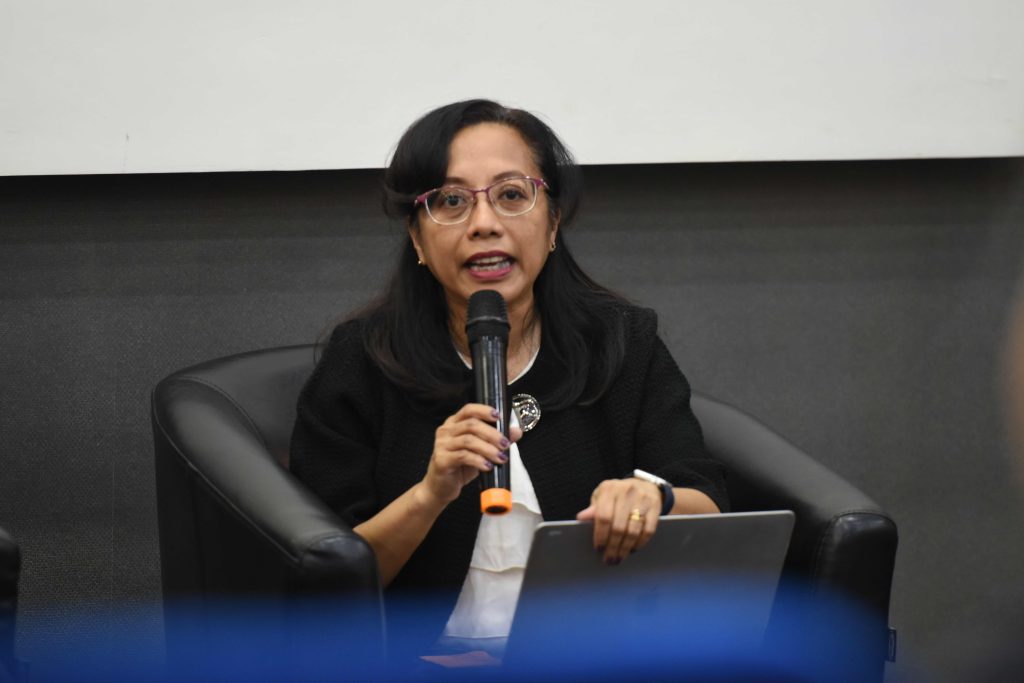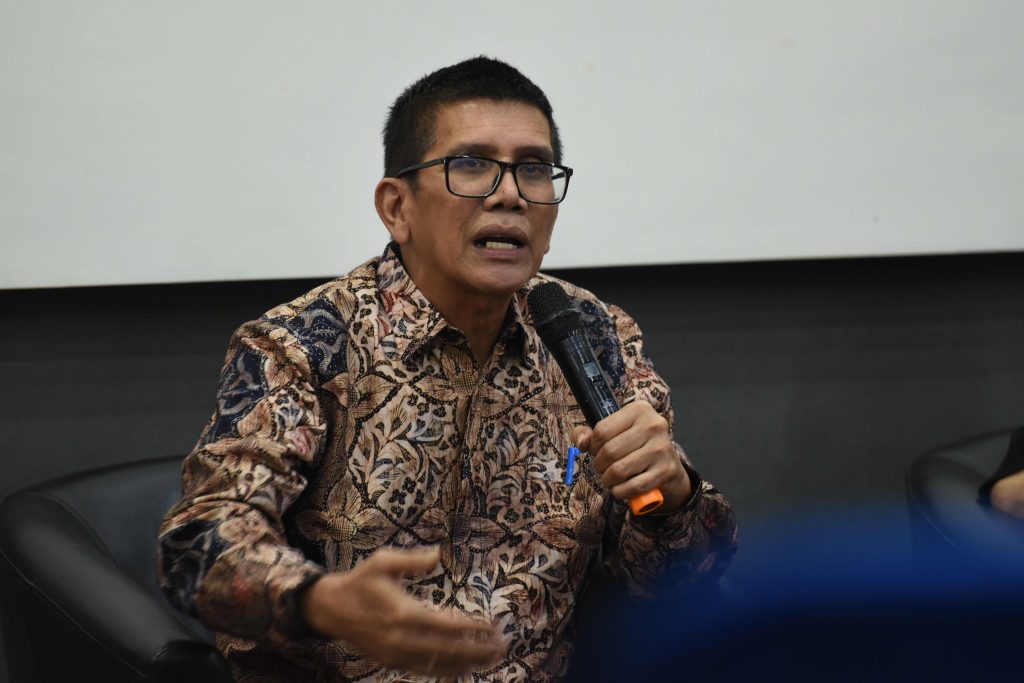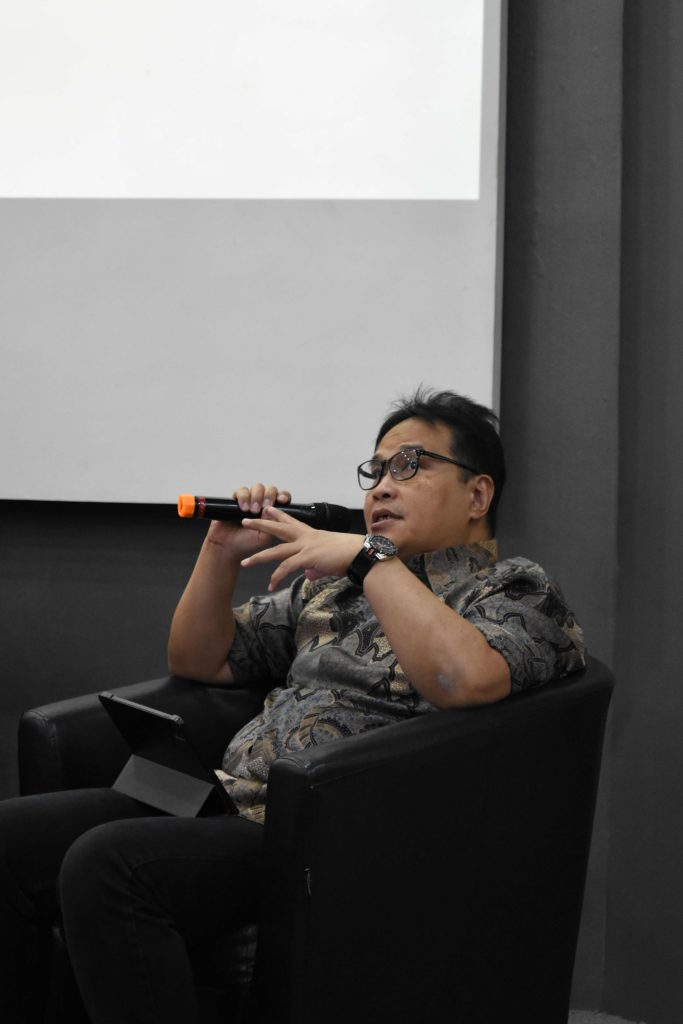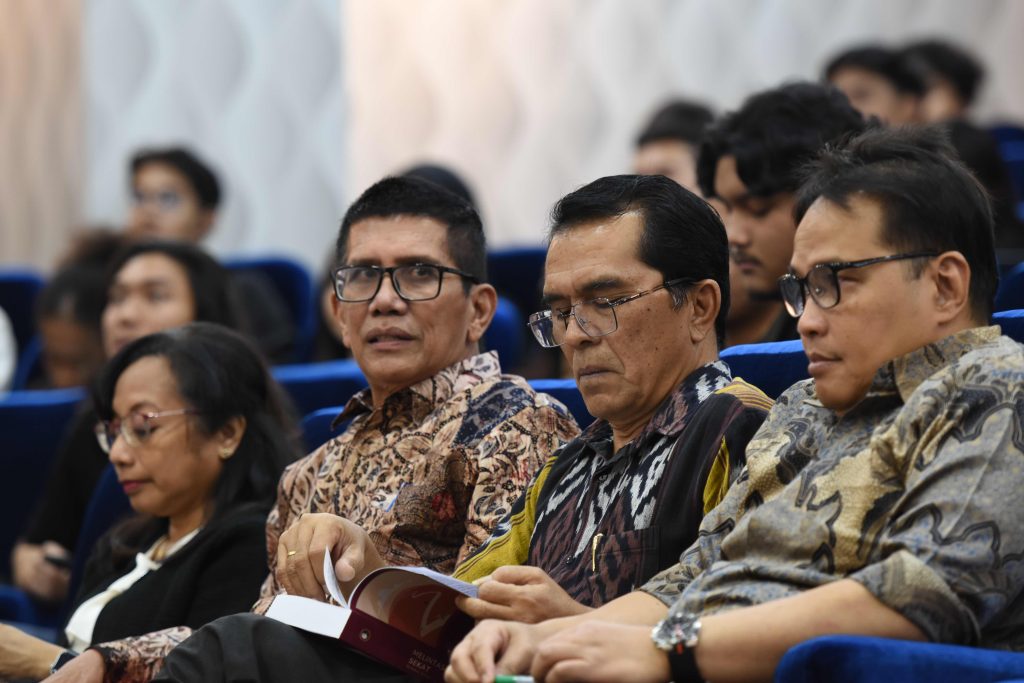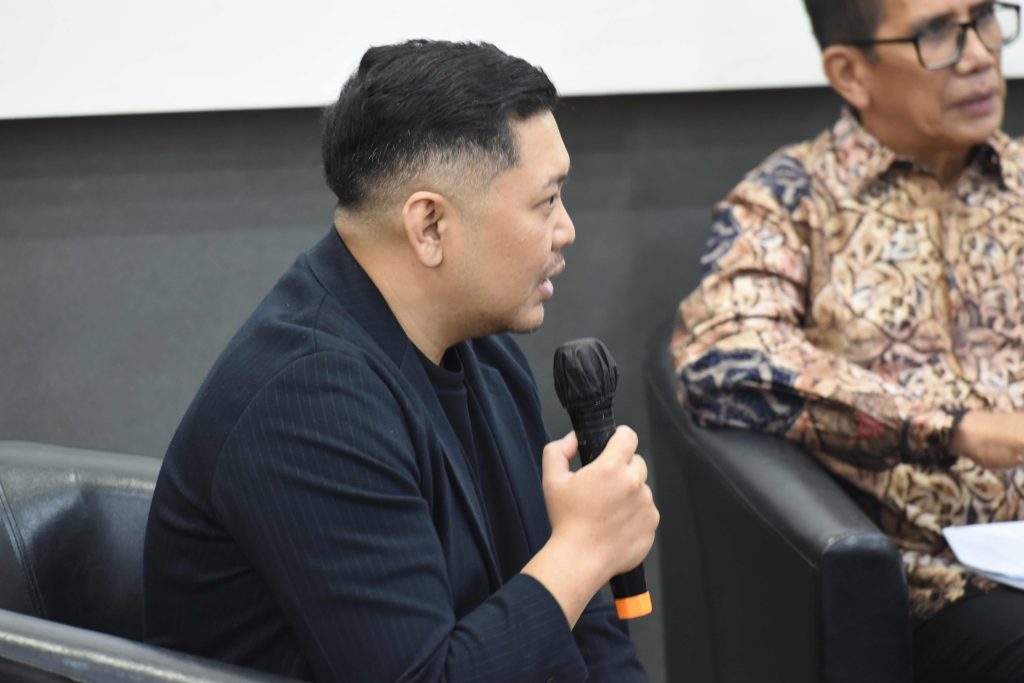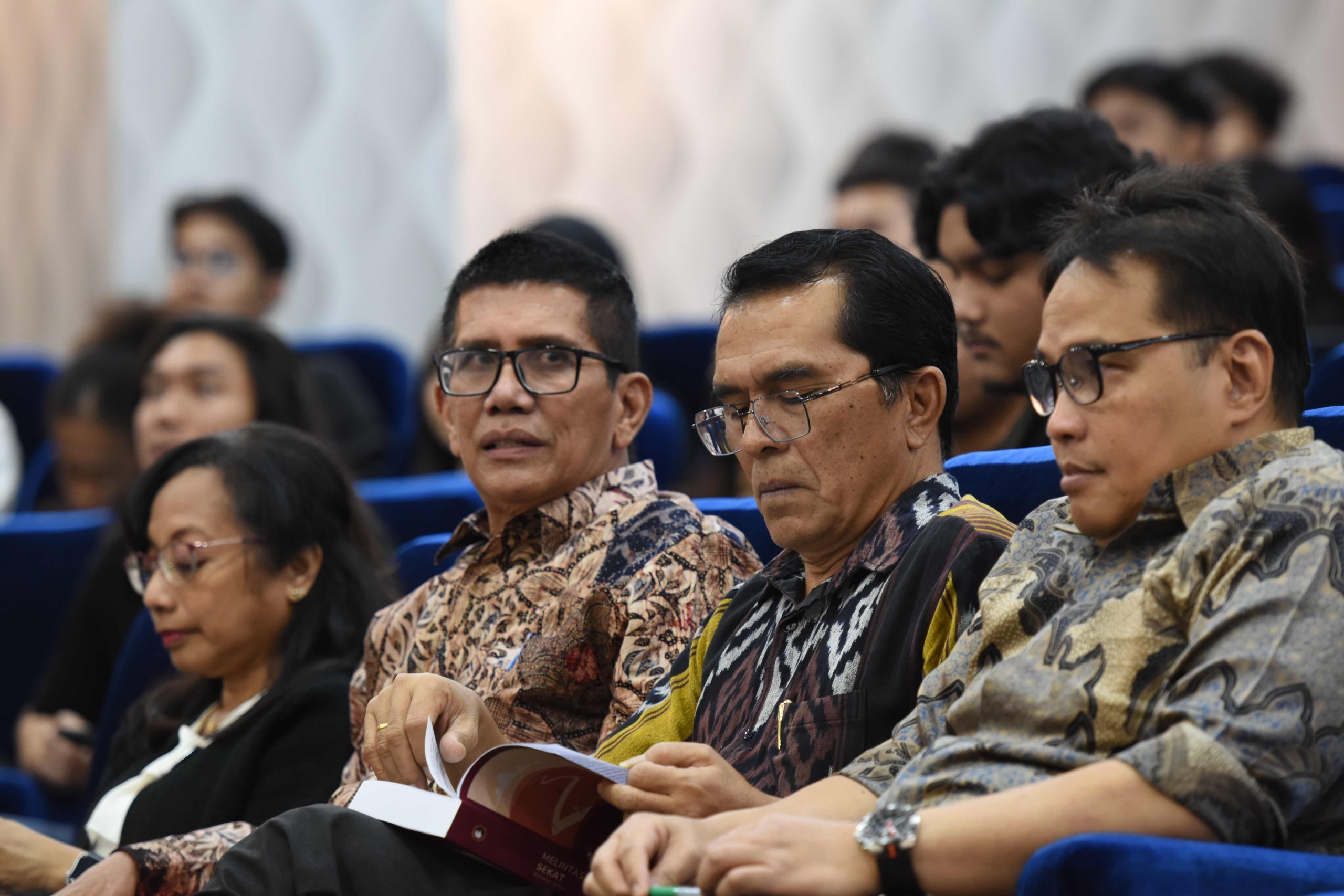
The International Relations Program of Parahyangan Catholic University organized a public seminar titled “World Minus One Moment?” Penjelasan Teoritis dan Implikasi bagi Indonesia on Friday, March 13, 2026, at the Audio Visual Room, Building 3, Faculty of Social and Political Sciences (FISIP) UNPAR. The event, held from 1:30 to 3:30 PM (WIB), was also streamed via the Ngobrolin HI YouTube channel. The seminar featured three speakers: Makmur Keliat, Senior Advisor at Laboratorium Indonesia 2045; Spica Alphanya Tutuhatunewa, Head of the Center for Policy Strategy for the Americas and Europe at the Indonesian Ministry of Foreign Affairs; and Adrianus Harsawaskita, a lecturer in International Relations at Parahyangan Catholic University.
In his presentation, Makmur Keliat explained that current global political dynamics indicate a weakening of multilateralism and a growing tendency toward unilateralism, particularly through increasingly transactional policies adopted by major powers. In this context, diplomacy and international cooperation—both in economic and security domains—remain key instruments for maintaining global stability.
Meanwhile, Spica Alphanya Tutuhatunewa highlighted the increasingly fragmented nature of the world in both geopolitical and geoeconomic terms, where conflicts in one region can have far-reaching impacts on global stability, including energy and food markets. In response, Indonesia promotes a Dynamic Resilience approach, which emphasizes strengthening domestic foundations while diversifying international partnerships to safeguard national interests and contribute to global stability.
On the other hand, Adrianus Harsawaskita offered a theoretical perspective on Indonesia’s foreign policy direction through the concept of Polyamorous Foreign Policy. In an increasingly multipolar world, this approach underscores Indonesia’s ability to engage flexibly with multiple partners without being bound to any single power bloc. In this sense, the essence of Indonesia’s “free and active” foreign policy can be understood as the freedom to choose and build diverse strategic partnerships in order to maintain relevance and protect national interests.
This seminar provided a platform for students to better understand the evolving dynamics of the international order and Indonesia’s position amid global uncertainty. Through the diverse perspectives shared by the speakers, the event is expected to enrich academic understanding while encouraging critical reflection on the future direction of Indonesia’s foreign policy.