


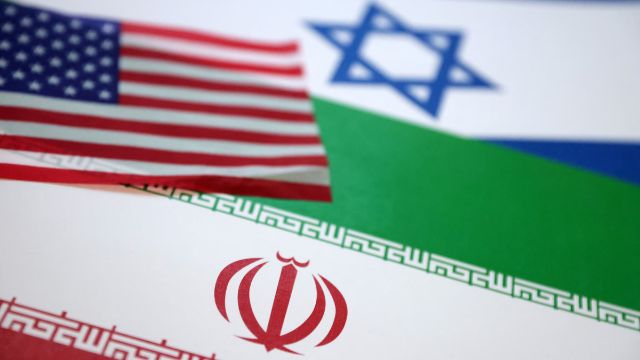
On Thursday (19/2), Israel launched an attack on Iran and declared a national state of emergency in anticipation of retaliatory strikes. The escalation intensified on Saturday (28/2) when joint airstrikes by the United States and Israel targeted Iran’s military and nuclear facilities, including the residence of Supreme Leader Ayatollah Ali Khamenei in Tehran, who was confirmed dead along with several military officials and hundreds of civilians. The US stated that the operation aimed to halt Iran’s nuclear program, while Iran accused the US and Israel of being responsible. Iran also declared a period of national mourning and launched retaliatory strikes on several targets in the Middle East. Tensions continued on Sunday (1/3) when Iran fired ballistic missiles at residential areas in Beit Shemesh, Israel, killing at least six people, injuring nearly 20 others, and causing severe damage. This marked a significant escalation of the conflict and further deteriorated regional security stability.
International Relations lecturers Aknolt Kristian Pakpahan and Yulius Purwadi Hermawan shared their views on the conflict between Iran, Israel, and the US.
In the context of US involvement in the conflict, Aknolt Kristian Pakpahan assessed that strategic cooperation with the US, including through trade agreements, has the potential to affect the independence of Indonesia’s foreign policy. He emphasized that provisions encouraging Indonesia to align with US sanction policies may reduce the element of autonomy within the free and active foreign policy principle, particularly amid global conflict dynamics involving the US and other countries. Nevertheless, Indonesia still has room to pursue negotiation and diplomacy to ensure that any cooperation remains aligned with national interests and does not disrupt relations with other strategic partners.
In line with Aknolt’s view, Yulius Purwadi Hermawan argued that the US and Israeli strikes indicate a premeditated military scenario despite ongoing diplomatic efforts. Furthermore, Yulius warned that the escalation of the conflict could expand regional instability. The actions taken may trigger retaliatory attacks on US assets and have global repercussions. In this regard, Indonesia needs to promote resolution through international legal mechanisms and diplomacy.